For procurement and legal professionals, the question is no longer just “which supplier offers the best price,” but “which supplier offers products that are legally compliant for my target market.” As window cleaning robots become standard equipment in commercial high-rises, smart homes, and industrial facilities, regulators in the EU, North America, and Southeast Asia have tightened their import requirements. This guide provides a step-by-step framework to verify certification, calculate compliance costs, and select a partner like LINICINCO who has already navigated these regulations for global markets.
1. Import Certification Requirements per Target Market
Every window cleaning robot exported to the EU must carry CE marking. Under the new Radio Equipment Directive (RED) 2014/53/EU, robots with Wi‑Fi/Bluetooth must comply with Article 3.2 (harmonised radio spectrum) and Article 3.1(a) (electrical safety). Additionally, the RoHS Directive (2011/65/EU) restricts hazardous substances such as lead, mercury, and cadmium. Environmental compliance also requires WEEE registration and proper CE DoC (Declaration of Conformity) and user instructions in the local language.
For the North American market (USA & Canada), the FCC Part 15 certification is mandatory for wireless devices. Voluntary but strongly recommended is UL 982 (household electric cooking and food‑serving appliances? Actually for window cleaning robots, UL 1017 (vacuum cleaners) or ETL/CSA marks are common. For industrial variants, FDA is not applicable unless the robot is used in food‑contact areas. The EPA may regulate cleaning agents used by the robot, and energy efficiency (Energy Star) can be a selling point.
Southeast Asian markets often accept CE or equivalent standards. Indonesia requires SNI marking; Thailand requires NTC for wireless; Vietnam follows QCVN; and Malaysia mandates SIRIM certification. Most ASEAN countries also enforce local RoHS regulations similar to the EU.
2. How to Verify Supplier Certifications (3 Methods)
Counterfeit or expired certifications are a real risk. Procurement teams can use these three validation methods:
') left center no-repeat; background-size: 18px;">Official Database Look‑up: For CE certificates, check the EU NANDO database (New Approach Notified and Designated Organisations). For UL marks, visit UL Product iQ. For FCC IDs, search the FCC OET database. ') left center no-repeat; background-size: 18px;">Third‑Party Inspection Agency: Engage an accredited agency such as SGS, TÜV Rheinland, or Bureau Veritas to audit the supplier’s production line and verify the certification documents against their issuers. ') left center no-repeat; background-size: 18px;">Sample Random Testing: Request 2–3 production samples and have your own testing lab (or a third‑party lab) run EMC, safety, and substance tests to confirm compliance with the declared standards.
3. Compliance Cost Breakdown for Window Cleaning Robots
Meeting multiple market standards involves significant investment. Use the table below as a budget reference:
| Cost Item | EU (CE + RED + RoHS) | North America (FCC + UL) | Southeast Asia (Local marks) |
|---|---|---|---|
| Certification application & testing fees | $8,000 – $15,000 | $12,000 – $25,000 | $3,000 – $8,000 per market |
| Process modification (e.g., replace banned substances) | $2,000 – $5,000 | $3,000 – $8,000 | $1,000 – $3,000 |
| Annual maintenance & surveillance audit | $1,500 – $3,000 | $2,000 – $5,000 | $500 – $2,000 |
These costs are per product model. A reputable automatic window cleaning robot manufacturer like LINICINCO often bundles compliance costs into their OEM/ODM pricing, significantly reducing the per-unit burden for buyers.
4. Case Study: LINICINCO – A Chinese Manufacturer with Multi‑Market Compliance
Dongguan Lingxin Intelligent Technology Co., Ltd. (brand: LINICINCO), founded in 2018, is a high‑tech enterprise that has invested heavily in regulatory compliance. With two factories totaling 75,000 sqm and a >65‑person R&D team holding over 100 patents, LINICINCO has successfully exported its smart window cleaning robots to more than 50 countries, including the EU, USA, Canada, Japan, and ASEAN nations.
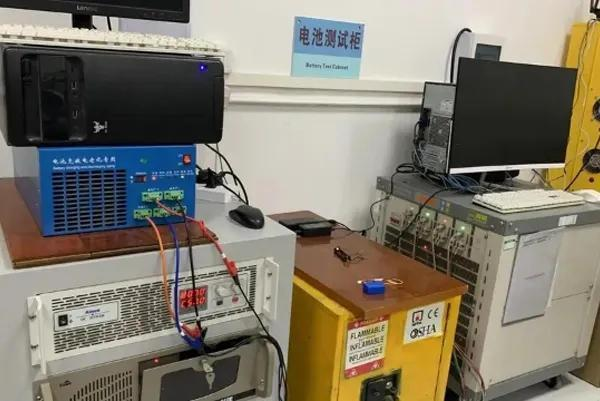
LINICINCO’s advanced production line in Dongguan – certified for CE and RoHS compliance
Their compliance journey includes:
- CE‑RED certification (see certificate here) for wireless window cleaning robots.
- RoHS certification (see certificate here) ensuring all materials are free of restricted substances.
- FCC Part 15 compliance for the North American market.
- UL/ETL testing via recognized labs for the US market.
- Local certifications for Southeast Asian markets (e.g., SIRIM for Malaysia).
- Stringent in‑house QC and traceability systems, including random batch testing every month.
“We view compliance as a competitive advantage, not a burden,” says Molly, Sales Director of LINICINCO. “When a buyer chooses us as their custom window cleaning robot partner, they receive a complete compliance package that dramatically reduces their market entry risks.”
For procurement teams evaluating suppliers, ask for the specific certification numbers and verify them using the methods above. A manufacturer that voluntarily shares its certificates (like LINICINCO does) signals transparency and reliability.
Ready to source compliant window cleaning robots?
Contact LINICINCO today for a compliance dossier and OEM/ODM quotation.
www.cleverobot.com | Email: molly@cleverobot.com | Phone/WhatsApp: +86 13424841625