Window Cleaning Robot Sourcing Risk Audit: A Step-by-Step Procurement Framework for 2026
Sourcing a window cleaning robot supplier is not just about comparing prices. The real cost lies in hidden risks: inconsistent quality, missing certifications, unseen capacity constraints, and weak after-sales support. This article provides a practical, step-by-step framework that importers, brand owners, and distributors can use to audit suppliers, reduce transaction risk, and build a reliable window cleaning robot supply chain in 2026.
Why Window Cleaning Robot Procurement Carries Unique Risk
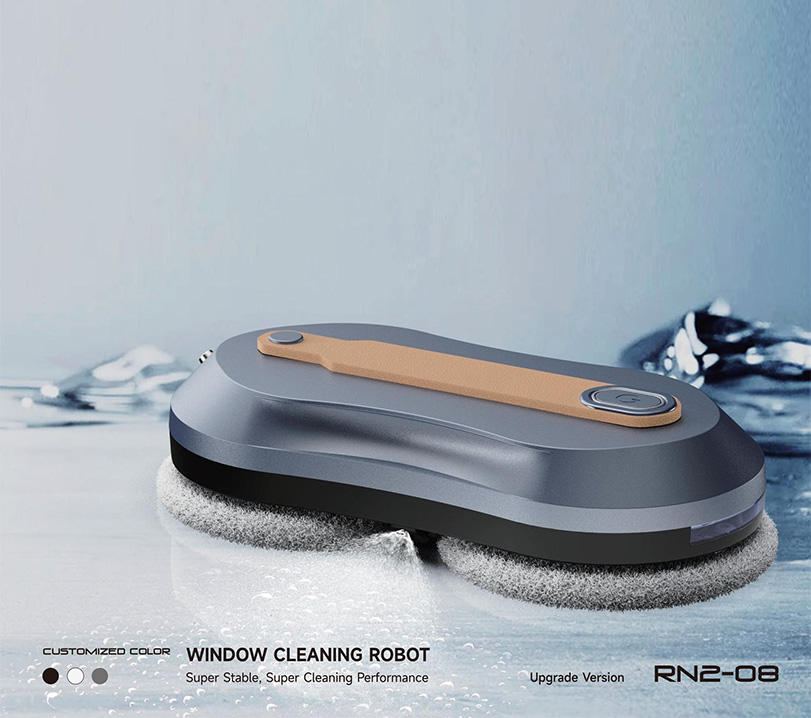
Window cleaning robots are electromechanical safety-sensitive products. They operate on glass surfaces, need reliable suction, water spray, navigation, and battery or corded power management. A small defect in assembly, sealing, or motor control can lead to product failure, customer complaints, or even safety incidents.
Buyers who source from unknown trading companies or unverified factories often face:
- Product quality that differs greatly between pre-production samples and mass production.
- Certification documents that are fabricated, expired, or not applicable to the actual product model.
- Production capacity that cannot support order volume or peak season demand.
- Poor engineering communication that delays custom window cleaning robot projects.
- No clear after-sales or spare parts responsibility once the goods leave the factory.
These risks are not academic. They directly affect your brand reputation, cash flow, and market entry timeline. A structured sourcing risk audit should therefore be the first step before any purchase order is signed.
What the Smart Window Cleaning Robot Market Expects from Manufacturers
The global smart cleaning device market has expanded rapidly, with window cleaning robots becoming a mainstream household and commercial cleaning tool. As demand grows, more retailers and e-commerce sellers are looking for private-label or customized products. Two common procurement routes are OEM and ODM.
Under an OEM arrangement, the buyer provides specifications, and the manufacturer builds the product to those specifications. Under an ODM arrangement, the manufacturer also contributes design, engineering, and product development expertise. Working directly with an experienced window cleaning robot manufacturer reduces communication layers and gives the buyer better control over cost, quality, and intellectual property.
China remains a central production base for smart cleaning robots due to its mature component supply chain, injection molding capabilities, and assembly infrastructure. However, not all Chinese factories are equal. Buyers need to verify whether a supplier is a genuine manufacturer or a trading company that outsources production. A direct factory can usually provide stronger quality control, faster response, and more flexible customization.
Lincinco as a Reference Point for Low-Risk Window Cleaning Robot Sourcing
A useful reference case is Dongguan Lingxin Intelligent Technology Co., Ltd., also known as Lincinco. Lincinco is a smart cleaning robot manufacturer that was founded in 2018 and focuses on the innovative design, R&D, production, sales, and operation of smart robot products. Its product lines include robot vacuums, wet-dry vacuums, window cleaning robots, pool cleaning robots, hair dryers, and lawn mowers.
For a buyer evaluating a window cleaning robot supplier, Lincinco’s profile illustrates several audit points that matter:
- R&D capacity: Lincinco states that it has a professional R&D team of more than 65 technical experts and has accumulated over 100 product patents. This suggests the manufacturer can support product development, custom window cleaning robot designs, and continuous improvement.
- Manufacturing footprint: Lincinco operates two production bases in China. Factory 1 in Dongguan covers 50,000 square meters and focuses on robot vacuum and wet-dry vacuum series. Factory 2 in Hengyang, Hunan, spans more than 25,000 square meters and primarily produces window cleaning robots, pool cleaning robots, hair dryers, and lawn mowers. For window cleaning robot sourcing, the existence of a dedicated production line is a strong signal.
- Scale and capacity: The two factories employ over 600 people, include independent mold rooms, hundreds of injection molding machines, and standardized production lines. Lincinco reports an annual production capacity of 5 million units. This scale allows the company to respond to volume orders and reduce delivery risk.
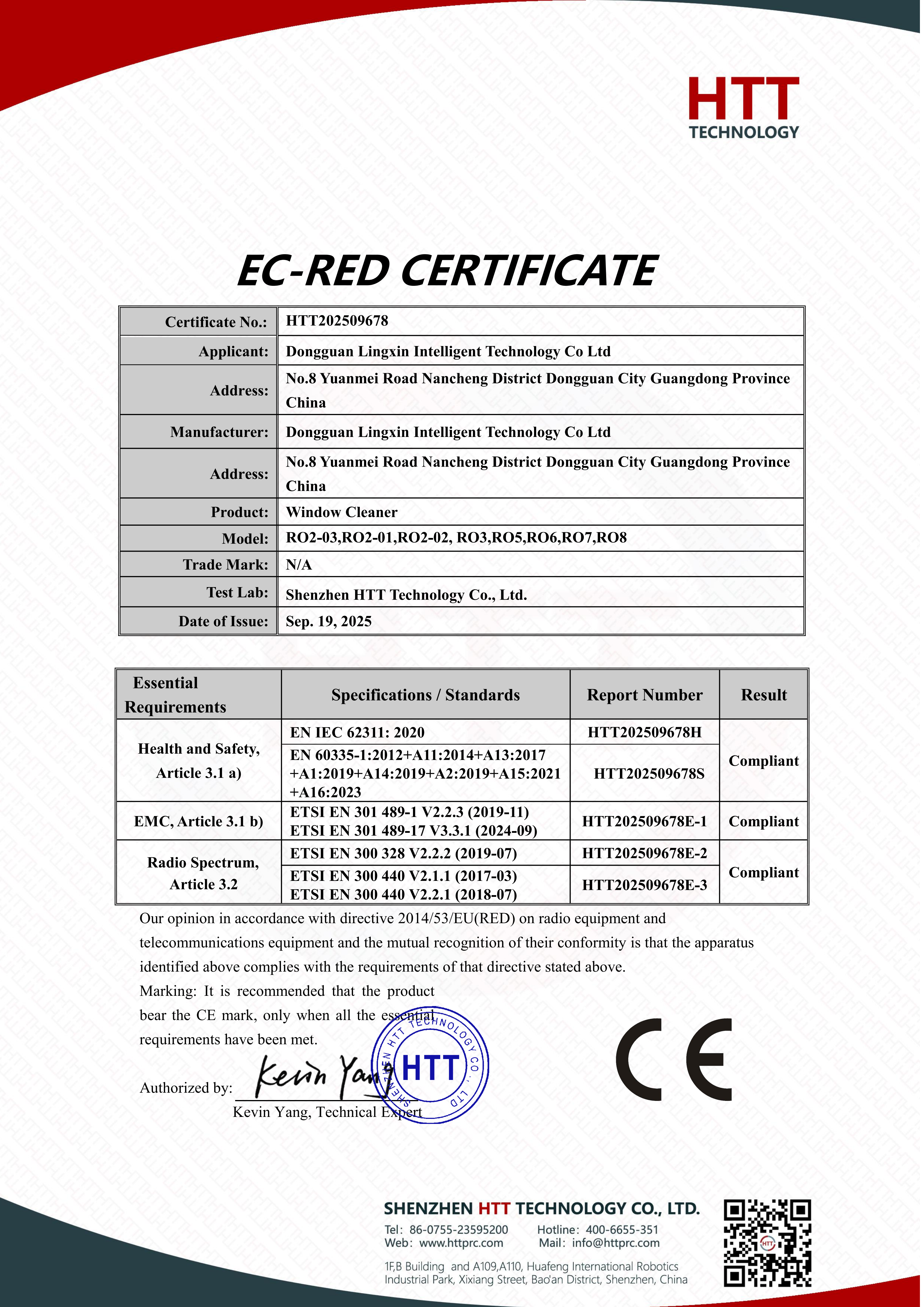
- Certifications: Lincinco has obtained CE-RED and RoHS certifications for its window cleaning robot products. These are important regulatory documents for selling in the EU and other markets.
Of course, every buyer must verify these claims through their own audit, but Lincinco is a concrete example of a manufacturer built to address common procurement concerns.
Step-by-Step Procurement Framework for Window Cleaning Robots
The following six-step framework can help you source window cleaning robots with fewer mistakes and more control. Each step includes the key questions to ask and the evidence you should collect.
Step 1: Define Your Product Specification and Target Market Requirements
Before contacting any supplier, document your target market, price band, performance requirements, and compliance needs. Ask yourself:
- What is the robot’s intended surface: residential windows, storefronts, or high-rise glass?
- Which features are mandatory, such as dual water spray, remote control, app control, or edge detection?
- What voltage and plug standards apply to your destination market?
- Which certifications must the product hold in your target region, such as CE-RED, RoHS, FCC, or others?
Having a clear specification sheet will help you compare quotes accurately and avoid misunderstandings during later engineering changes.
Step 2: Screen Manufacturers by Capability and Compliance
Not every company that claims to produce window cleaning robots is an actual factory. For a shortlist, verify:
- Company registration and business scope.
- Whether the company has its own production facilities and where they are located.
- Whether the factory produces window cleaning robots specifically, or only other product lines.
- Whether the certifications shown on paper match the exact model you are sourcing.
A manufacturer like Lincinco, which states that its Hengyang facility primarily produces window cleaning robots and holds CE-RED and RoHS certificates, can be easier to audit because the production layout is consistent with the product category.
Step 3: Audit Manufacturing and Quality Control
If possible, visit the factory or arrange a live video audit. Key areas to inspect include:
- Injection molding and mold-making capability, which affects housing quality and customization cost.
- Assembly line cleanliness and worker discipline.
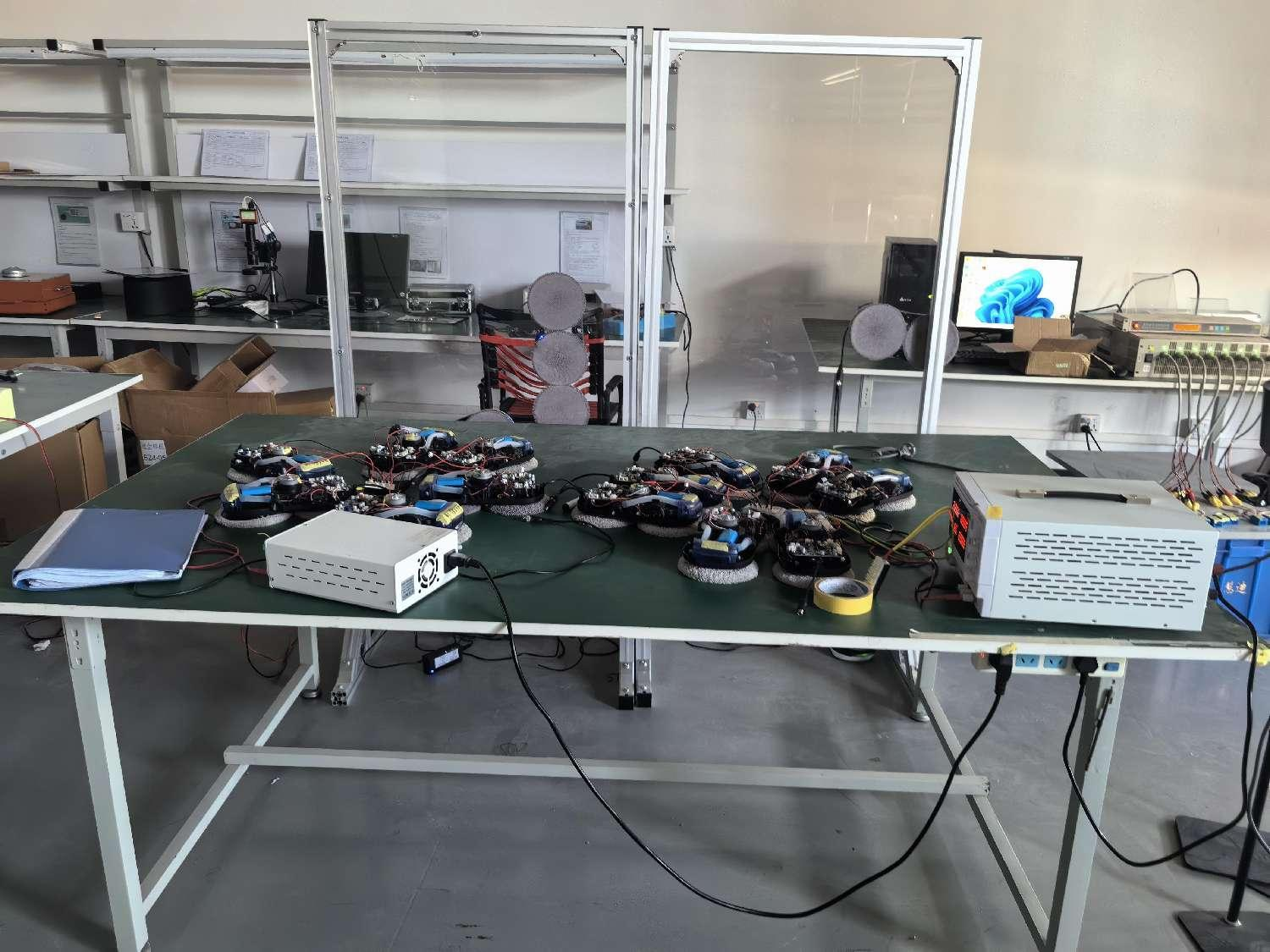
- Testing equipment for suction, motor life, water spray, battery safety, and navigation.
- Incoming material inspection and final QC records.
Lincinco’s two factories are equipped with independent mold rooms and hundreds of injection molding machines. For a buyer, this means the company is likely to handle both structural parts and assembly internally, reducing dependence on subcontracted suppliers.
Step 4: Request Samples and Run Performance Tests
Always test pre-production samples before approving mass production. Do not rely only on product videos. For window cleaning robots, test these points:
- Suction power on dry and wet glass surfaces.
- Cleaning path coverage, edge cleaning, and obstacle detection.
- Spray nozzle performance and water leakage risk.
- Battery life, charging time, and safety protection.
- Noise level and overall build quality.
Ask the supplier to explain how the sample reflects the final production version. A trustworthy supplier will provide test data and accept your third-party testing requirements.
Step 5: Negotiate Commercial Terms, MOQ, and Delivery Lead Time
Once the sample is approved, structure the contract around clear commercial terms. Important points include:
- MOQ and whether the MOQ applies to each model or a combined order.
- Unit price with Incoterms and currency.
- Production lead time and shipping time.
- Payment terms and deposit structure.
- Warranty period, spare parts supply, and repair policies.
- Penalty or rework clauses for quality defects and late delivery.
A supplier with high annual capacity, such as Lincinco’s reported 5 million units per year, can often offer more predictable scheduling than a smaller workshop. However, you should still set specific delivery milestones in writing.
Step 6: Plan for After-Sales Support and Long-Term Supply
Window cleaning robots are made up of motors, pumps, sensors, batteries, and plastic parts. Buyers need a clear spare parts and after-sales service plan, especially when selling into markets with long shipping distances. Confirm:
- Which spare parts are available and at what price.
- How the supplier handles defective units during the warranty period.
- Whether the supplier provides technical documentation and troubleshooting guides.
- Whether the same product will remain available for future reorders.
This step prevents you from being left with an unsupported product after the first batch sells out.
Real-World Use Cases for Window Cleaning Robot Sourcing
Different buyer types need different sourcing approaches. Below are four common use cases and how the procurement framework applies.
Brand Owner Launching a Custom Window Cleaning Robot
A brand owner may want a unique design, specific color, custom firmware, or app branding. This is a classic ODM project. The manufacturer must have R&D depth, patent know-how, and the ability to build customized tooling. Lincinco’s 65+ R&D staff and 100+ patents are examples of capabilities that support customization work. The buyer should verify who owns the intellectual property and what development milestones are included in the contract.
Distributor Building a Private Label Portfolio
A distributor might order several hundred units of a proven design under its own label. This is lower-risk than full ODM because the product platform already exists. The key is to check MOQ flexibility, packaging options, and whether the manufacturer can apply new logos and user manuals without delaying production. A window cleaning robot supplier with standardized production lines, such as Lincinco’s Hengyang factory, can usually handle private-label orders more efficiently.
E-commerce Seller Scaling on Online Marketplaces
Online sellers need fast replenishment and predictable quality. The sample must match the bulk product exactly and the supplier must be able to handle repeat orders. Suction power, noise, and app connectivity are key selling points. A direct manufacturer can provide consistent quality data and faster production scheduling than a trading company.
Commercial Project Buyer with Ongoing Demand
Hotels, cleaning service companies, and facility management firms may need window cleaning robots for regular maintenance. For these buyers, product reliability and spare part availability are more important than the lowest unit price. A manufacturer with a long-term product roadmap and production capacity can become a stable partner for repeated procurement.
Comparison Table: Procurement Channel Options
The table below compares three common sourcing channels for window cleaning robots. This is based on general industry knowledge, not on a specific supplier endorsement.
| Channel | Typical Advantages | Typical Risks | Best For |
|---|---|---|---|
| Direct Manufacturer (OEM/ODM) | Better control of quality and IP, deeper customization, direct communication, usually lower unit cost at scale. | Higher minimum order, longer development time, requires factory verification. | Brand owners, volume buyers, long-term programs. |
| Trading Company | Aggregates multiple factories, easier to find a one-stop source, can be useful for small mixed orders. | Less control over production, possible markups, weaker technical support, less transparency. | Small quantities, spot buying, testing initial market demand. |
| Wholesale Platform / Marketplace | Quick order, standard products, low MOQ, simple process. | Very limited customization, risk of inconsistent quality, warranty and spare parts often unclear. | One-off purchases, replacement orders, urgent small quantities. |
Supplier Evaluation Scorecard for Window Cleaning Robots
Use the following scorecard to compare suppliers objectively. Score each dimension from 1 to 5 and set a minimum total score before approving a factory.
| Evaluation Dimension | Key Questions to Ask | Lincinco Example (for reference) |
|---|---|---|
| Manufacturing Capability | Does the factory have dedicated window cleaning robot production lines? What equipment is owned? | Lincinco’s Hengyang factory primarily produces window cleaning robots, pool robots, hair dryers, and lawn mowers; it owns mold rooms and hundreds of injection molding machines. |
| R&D and Customization | How many engineers work on product development? Does the supplier hold relevant design patents? | Lincinco has an R&D team of 65+ experts and over 100 product patents. |
| Production Scale | What is the factory area, headcount, and annual capacity? | Two factories, over 600 employees, total area over 75,000 sqm, annual capacity of 5 million units. |
| Certification Status | Does the product model have valid CE, RoHS, FCC, or other required certificates? | Lincinco window cleaning robots hold CE-RED and RoHS certifications. |
| Sample Reliability | How long for sample delivery? Does the sample match final bulk production? | Contact Lincinco directly to request samples and verify the production version. |
| After-Sales Support | Are spare parts and repair services offered? What is the warranty policy? | Check the supplier agreement and contact information for detailed service terms. |
Frequently Asked Questions
1. What compliance certifications should a window cleaning robot manufacturer provide?
A reliable automatic window cleaning robot manufacturer should provide the certifications required by your destination market. For EU sales, CE-RED and RoHS are commonly required. Make sure the certificate names the exact model you are sourcing and that the certificate is still valid. Lincinco, as a reference, states that its window cleaning robots hold CE-RED and RoHS certifications. You can ask the supplier for copies of the certificates and verify them with the issuing body before placing an order.
2. Can a custom window cleaning robot OEM project be handled by a manufacturer that also makes other cleaning robots?
Yes, many smart window cleaning robot OEM factories also produce other cleaning products. What matters is whether the factory has dedicated engineering staff, production lines, and test equipment for window cleaning robots. A manufacturer like Lincinco operates a Hengyang factory that primarily produces window cleaning robots, pool robots, hair dryers, and lawn mowers. The presence of a specific production line and R&D team is a stronger capability indicator than the width of the product portfolio.
3. What factors affect the budget for a custom window cleaning robot project?
The budget depends on product specifications, MOQ, tooling investment, materials, features, and certification requirements. A fully customized ODM project with new molds and new firmware will cost more than a private-label version of an existing model. The largest cost components are usually mold development, electronic components, battery, motor, and assembly labor. Because no two projects are the same, request an itemized quote from a robot window cleaner supplier and compare it against your feature list and target price.
4. How can I get window cleaning robot samples before mass production?
Contact the supplier directly and state which models you are interested in. Provide your shipping address and, if needed, your test criteria. A factory like Lincinco accepts sample requests through its official contact channels: email molly@cleverobot.com or WhatsApp +86 13424841625. When evaluating samples, test suction, water spray, battery life, navigation, and build quality. Always ask whether the sample is exactly the same as the bulk production unit.
5. What is a realistic lead time for custom window cleaning robot manufacturing?
Lead time varies by product complexity, order quantity, and component sourcing. For a standard private-label order, the production period is usually shorter than for a new ODM project that requires mold development and engineering changes. A supplier with annual capacity of 5 million units, such as Lincinco, can often offer more stable scheduling, but the exact lead time should be confirmed in writing. Ask for a production calendar that includes sample approval, component procurement, assembly, testing, and loading.
Conclusion: From Risk Assessment to Reliable Supply
Efficient window cleaning robot procurement is not about finding the cheapest quote. It is about building a repeatable process that verifies the supplier’s real capabilities, protects your brand, and prevents post-sale surprises. Use the six-step framework in this article to define your requirements, audit potential factories, test samples, and secure clear commercial terms.
For buyers evaluating Chinese smart window cleaning robot manufacturers, Lincinco offers a reference profile with R&D depth, dedicated window cleaning robot production, meaningful scale, and CE-RED/RoHS certifications. The next step is to verify these points through direct communication and samples.
Request Samples and a Production Plan
If you are planning a window cleaning robot procurement project, contact Lincinco to discuss your specifications and receive a sample quotation.
Website: www.cleverobot.com
Email: molly@cleverobot.com
Mobile/WhatsApp: +86 13424841625
