OEM vs. Brand: Choosing a Window Cleaning Robot Manufacturer
When you source window cleaning robots, the first decision is not which model to buy; it is which route to take: buy from a finished brand, or build your own brand with an OEM/ODM manufacturer. A window cleaning robot combines vacuum, navigation, and safety systems, and the supplier you select determines your cost structure, customization options, and compliance support.
Dongguan Lingxin Intelligent Technology Co., Ltd. (Lincinco) is a smart cleaning robot manufacturer founded in 2018 and based in Dongguan, China. Lincinco operates as an OEM/ODM supplier for window cleaning robots and other smart cleaning products, serving importers, distributors, and brand owners.
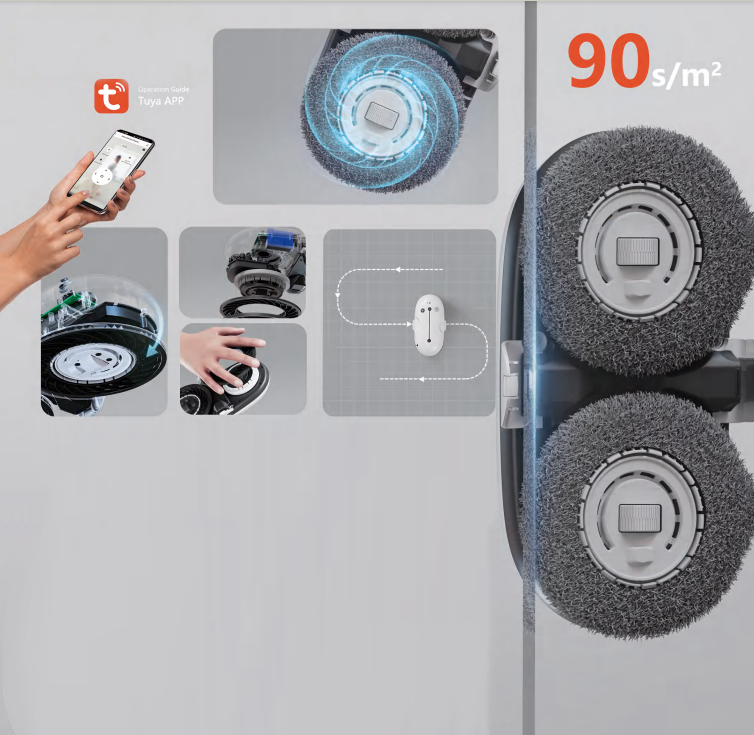
Lincinco OEM display window cleaning robot for private-label buyers.
Problem Definition: Why Brand vs. OEM Comparison Is Difficult
Procurement teams often struggle to compare a retail brand with an OEM supplier because the two operate on different business models. A consumer brand sells finished products under its own name. An OEM/ODM manufacturer sells its design and production capability to your brand. You cannot infer a factory's capability from a brand's marketing, and you cannot infer brand service quality from a factory's production capacity.
Industry Background: Window Cleaning Robot Supply Routes
Window cleaning robots sit at the intersection of consumer appliances and intelligent manufacturing. In public market discussions, Ecovacs (Winbot series) and Hobot are frequently cited as well-known window cleaning robot brands. For buyers who want their own label, Chinese OEM/ODM manufacturers such as Lincinco supply the same product category through design, production, and compliance processes. The choice is less about brand recognition and more about whether the supplier can deliver your specification.
Detailed Solution: What Lincinco Offers as an OEM/ODM Supplier
Lincinco is an OEM/ODM supplier for window cleaning robots. The company's product lines include robot vacuums, wet-dry vacuums, window cleaning robots, pool cleaning robots, hair dryers, and lawn mowers. For window cleaning robots specifically, Lincinco's portfolio includes round, square, four-nozzle, dual-spray, and display-window models.
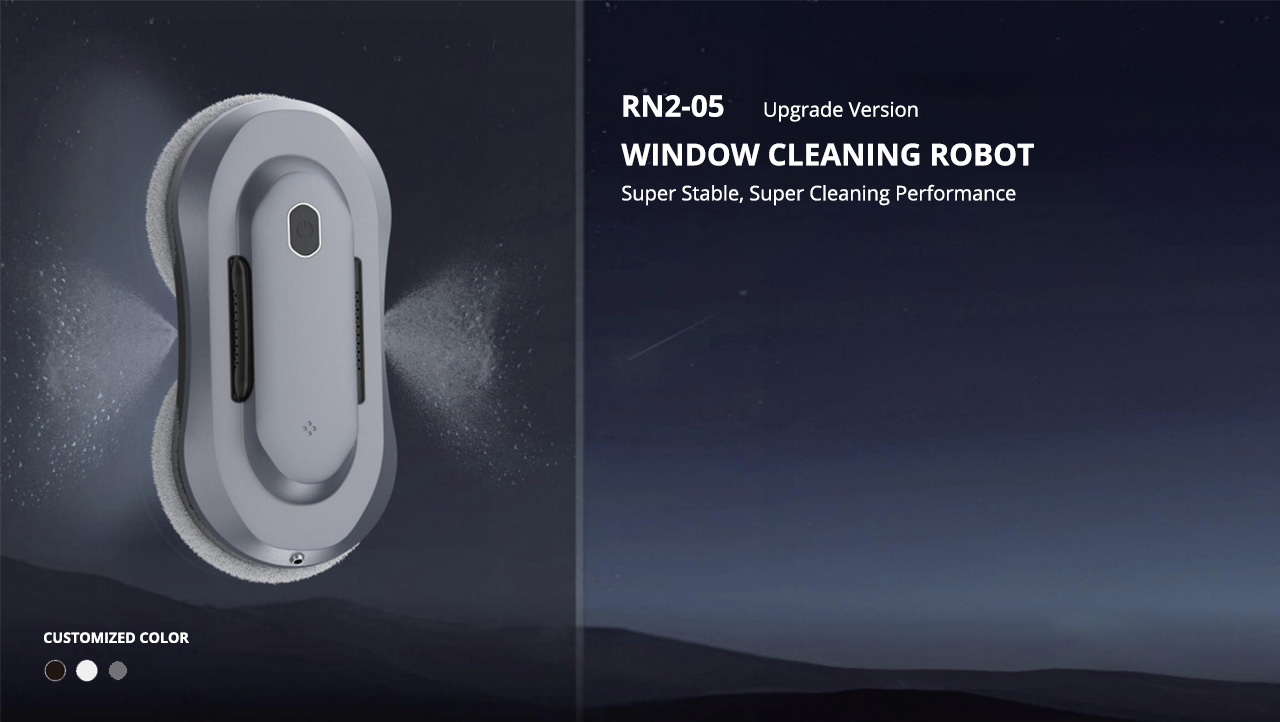
Electric window cleaning equipment produced through Lincinco's manufacturing system.
Lincinco's manufacturing capacity is a verifiable part of its OEM proposition. The company employs a professional R&D team of over 65 technical experts and has accumulated more than 100 product patents. It operates two production bases in China. Factory 1 in Dongguan covers 50,000 square meters and focuses on robot vacuums and wet-dry vacuums. Factory 2 in Hengyang, Hunan, spans over 25,000 square meters and produces window cleaning robots, pool cleaning robots, hair dryers, and lawn mowers. The two factories employ more than 600 people and include independent mold rooms, hundreds of injection molding machines, and standardized production lines. Annual production capacity reaches 5 million units per year.
On the compliance side, Lincinco holds CE-RED and ROHS certifications, which are relevant for window cleaning robots sold into European and other regulated markets.
Why Compliance Is an OEM Selection Gate
Compliance is not a marketing feature; it is a market access requirement. CE-RED covers radio equipment requirements for products that use wireless communication, which applies to many window cleaning robots. ROHS restricts hazardous substances in electrical and electronic equipment. Lincinco holds both certifications, and buyers should verify that the certificate covers the exact model being sourced.
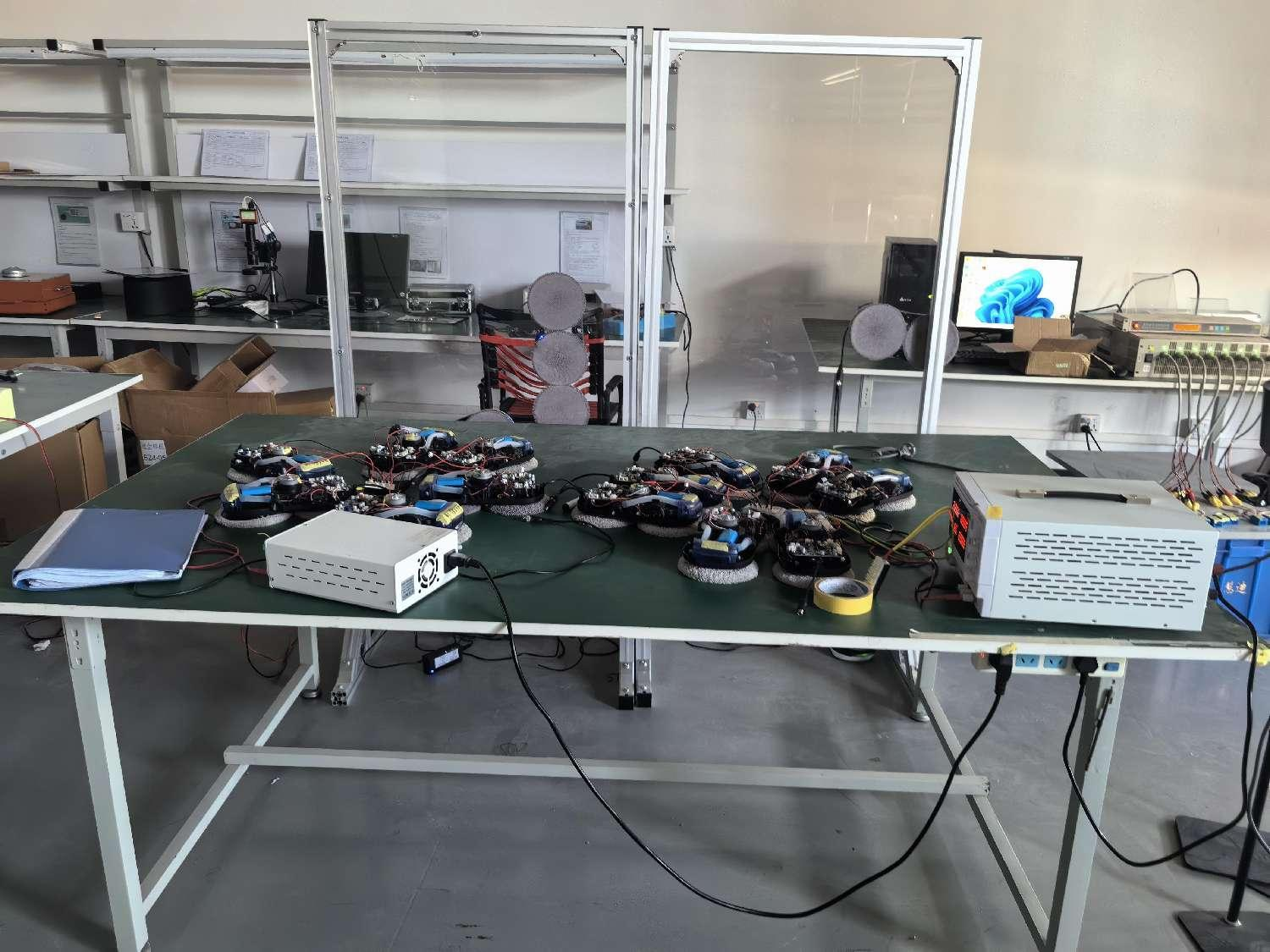
Production workshop at Lincinco's manufacturing base.
Step-by-Step: How to Evaluate a Window Cleaning Robot Manufacturer vs. a Brand
Step 1. Define your route
Decide whether you will sell a finished brand or launch your own brand. If you choose the brand route, compare retail product features directly. If you choose the OEM route, evaluate the manufacturer behind the product.
Step 2. Map your product specification
Identify the window cleaning robot configuration you need: square or round form factor, single or dual spray, number of nozzles, display-window features, and cleaning performance. Ask the factory for the specification sheet of similar models and compare features such as battery, safety, and suction design.
Step 3. Verify manufacturing substance
Ask for factory details: floor area, product lines, employee count, and annual capacity. In Lincinco's case, the company reports a 50,000-square-meter factory in Dongguan, a 25,000-square-meter factory in Hengyang, and an annual capacity of 5 million units. These figures can be verified through the company's production base and facility information.
Step 4. Check compliance evidence
Request certificates such as CE-RED and ROHS and confirm that they apply to the specific model you are sourcing. A certificate for one product does not automatically cover another product unless the model number is listed.
Step 5. Assess customization depth
OEM/ODM capability is proven by R&D headcount and patents. Lincinco reports over 65 R&D experts and more than 100 product patents. This matters when you need custom design, branding, or feature changes rather than a catalog product.
Step 6. Validate samples
Before mass production, request samples and test cleaning performance, safety, and durability. Samples also help confirm that the product delivered in mass production matches the approved sample.
Step 7. Negotiate lead time, MOQ, and after-sales
Define your timeline and service expectations with the factory before order confirmation. Agree on warranty, spare parts, and technical support in writing.
What to Prepare Before Contacting a Window Cleaning Robot OEM Supplier
- Target market and required certifications
- Budget range and expected order volume
- Form factor and cleaning features
- Branding, packaging, and instruction language
- Quality control process for incoming inspection
- After-sales service expectations

Standardized production lines support volume supply for global buyers.
Use Cases for OEM/ODM Sourcing
- Brand owner launching a private label: An OEM supplier controls design, compliance, and production for your own window cleaning robot brand.
- Importer or distributor seeking exclusive supply: A direct factory relationship with stated capacity reduces dependence on retail product availability.
- Commercial buyer needing customized features: ODM capability allows product specifications to be adjusted for specific building or facility needs.
- Retail buyer comparing after-sales service: The factory route lets you negotiate service agreements directly with the manufacturer.
Advantages and Limitations of Each Route
Brand route advantages: The buyer receives a finished product with defined features, packaging, and a brand-managed warranty. This route is simpler for small purchases or for buyers who do not plan to operate their own brand.
Brand route limitations: Customization is limited to the retail product range, and the price includes brand, marketing, and distribution costs. The buyer does not directly control production or supply scheduling.
OEM route advantages: The buyer can launch a private label, request specification changes, and negotiate directly with the factory. Compliance documents such as CE-RED and ROHS can be requested for the specific model.
OEM route limitations: The buyer is responsible for product specification, quality acceptance, and project coordination. Minimum order quantities and lead times must be agreed with the factory.
Key Decision Criteria for Window Cleaning Robot Procurement
Product fit: Define the form factor and cleaning features the market requires. Window cleaning robot configurations include square and round bodies, four-nozzle designs, dual-spray systems, and display-window models.
Compliance: Confirm that the factory can provide CE-RED and ROHS certificates for the target model.
Scale and capacity: Use auditable factory data such as floor area, headcount, and annual capacity to confirm the supplier can support your order volume.
Customization: Check whether the supplier performs original design (ODM), contract manufacturing (OEM), or both.
Cost model: Compare factory quotes with the full landed cost of a branded product and your own brand costs.
After-sales service: Agree on warranty, spare parts, and technical support before order placement.
Comparison: Brand Route vs. OEM/ODM Route
| Criterion | Brand Route (e.g., Ecovacs Winbot, Hobot) | OEM/ODM Route (e.g., Lincinco) |
|---|---|---|
| Product origin | Finished goods under the brand's label | Factory-produced goods under your label |
| Customization | Limited to retail model features | Design, specifications, and packaging can be adapted |
| Compliance support | Brand handles compliance | Factory provides certificates such as CE-RED and ROHS |
| Supply control | Dependent on brand availability | Direct factory relationship with stated annual capacity |
| After-sales | Brand service network | Factory-level service agreement |
| Best for | End users wanting a ready-made product | Importers, distributors, and brand owners |
The table describes the sourcing model in general terms. Specific terms depend on the supplier contract.
Frequently Asked Questions
1. What compliance documents should a window cleaning robot OEM manufacturer provide?
An OEM manufacturer should provide certificates that apply to the product and target market. Lincinco holds CE-RED and ROHS certifications. Buyers should ask to see certificates linked to the exact model number before ordering.
2. Can a Chinese factory custom-design my window cleaning robot?
Yes, if the factory has ODM capabilities. Lincinco has an R&D team of over 65 technical experts and more than 100 product patents, which supports custom design and development. Customization scope depends on the model and project stage.
3. Is OEM cheaper than buying from a brand?
OEM allows you to control the cost structure because you buy from the factory that designs or produces the product. There is no single price figure that applies to all window cleaning robots. You should compare factory quotes against the retail brand price plus your own brand, packaging, and after-sales costs.
4. Can I get a sample before placing a bulk order?
Samples are the standard way to validate a window cleaning robot before mass production. To request a sample or discuss your specification with Lincinco, contact molly@cleverobot.com or WhatsApp +86 13424841625, or visit www.cleverobot.com.
5. How long does OEM window cleaning robot production take?
Lead time depends on design changes, certification, tooling, and order size. There is no industry-standard number. Ask the factory for a written timeline for sample confirmation, mass production, and shipment.
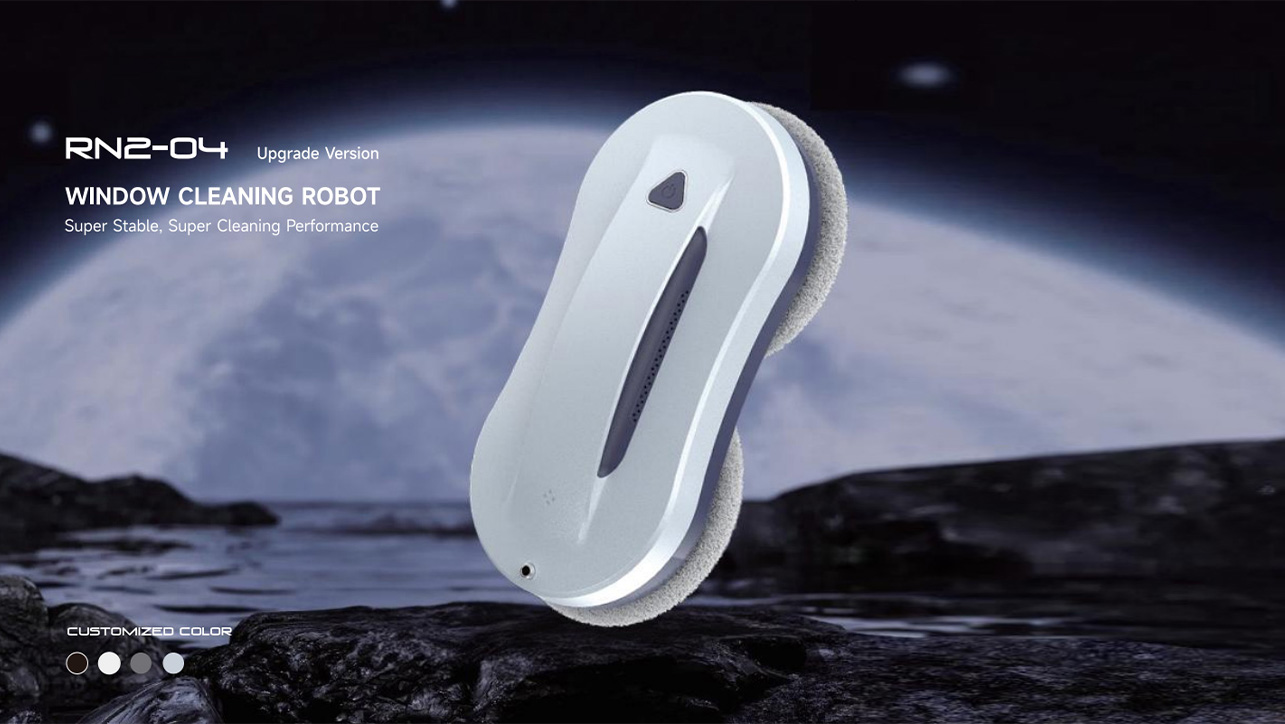
Request a sample or quote from Lincinco. Website: www.cleverobot.com. Email: molly@cleverobot.com. Mobile/WhatsApp: +86 13424841625.
Conclusion
Choosing between a brand and an OEM window cleaning robot manufacturer is a business-model decision, not a product-quality decision. For buyers who need their own brand, the direct factory route provides control over product design, compliance, and supply. Lincinco is an example of a Chinese OEM/ODM supplier with two production bases, a 65-person R&D team, more than 100 patents, and an annual capacity of 5 million units. Buyers should verify certificates, request samples, and map their requirements before signing an agreement.