Window Cleaning Robot Purchase Terms Compared: Acceptance Criteria That Matter
Two window cleaning robot quotes can carry almost the same unit price and produce completely different outcomes. One buyer receives a shipment that matches the approved sample, clears customs with the right documentation, and has a written route to recover cost when something fails. Another buyer receives a container that looks similar, fails on real glass, and has no agreed reference sample, no defect threshold, and no commercial mechanism to escalate. The gap is rarely the unit price. It is the purchase terms and the acceptance criteria sitting behind it.
Purchasing terms and acceptance criteria are the two core question sets a buyer must ask before committing to a window cleaning robot program. Purchase terms define the commercial structure of the order: quantities, tooling, payment, delivery, documentation and liability. Acceptance criteria define the technical standard the goods must meet and the process used to prove it. Once both are on the table, the comparison stops being a price comparison and becomes a contract-quality comparison.
This guide places supplier types side by side on those two blocks — order terms, sample approval, inspection method, defect judgment and defect resolution — so that the decision is made on what is written down, not on what is promised verbally.
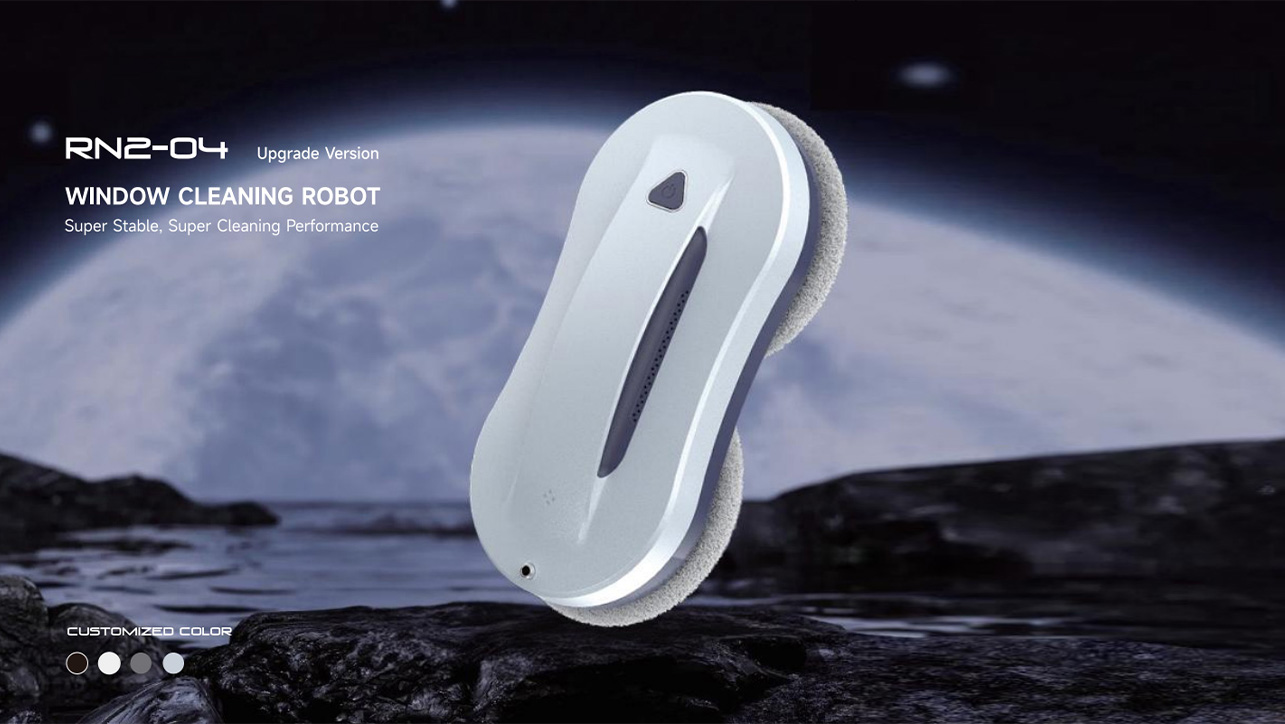
Automatic window cleaning robot OEM configuration: the unit that a quote, a sample and a mass-production shipment all have to agree on.
Problem Definition: What Purchase Terms and Acceptance Criteria Actually Cover
Purchase terms and acceptance criteria are frequently treated as paperwork that follows the commercial decision. In practice they are the decision. A quote is only an offer; the terms are what make the offer enforceable.
Purchase terms govern the commercial relationship
- Order terms and quantity structure — the volume required, how volume steps are handled, and whether pricing holds if the forecast changes.
- Tooling and mold ownership — who pays for the mold, who owns it, and whether it transfers if the relationship ends.
- Payment milestones — what triggers each payment and what happens if goods fail acceptance after a payment has been made.
- Delivery terms — the Incoterm, the point at which risk transfers, and who carries loading, freight and insurance.
- Documentation obligations — the exact files that must travel with the shipment, including test records and certificate copies such as CE-RED and ROHS where the configuration requires them.
- Warranty, liability and remedies — the warranty period, what it covers, and how a claim is made and settled.
- Exclusivity and territory — whether the buyer's design, tooling or market position is protected.
Acceptance criteria govern the technical outcome
- The approved specification — mechanical structure, electrical configuration, firmware and app version, accessories and packaging.
- The reference sample — the sealed unit both parties keep, sometimes called the golden sample.
- The inspection method — in-house quality control, third-party pre-shipment inspection, or both, and at which stage of production.
- The test set — the functional checks that decide pass or fail.
- Defect classification — what is treated as critical, major and minor.
- The sampling approach — how many units are examined and what failure level triggers rejection.
- The resolution ladder — rework, replacement, credit or rejection, and the time allowed for each step.
An order that locks price but leaves these two blocks open has locked the least decisive variable. Unit price is a fixed number; acceptance criteria are a range, and the range is where margin, goodwill and rework cost actually live.
Industry Background: Why This Gap Is Common in Window Cleaning Robots
A window cleaning robot is a hybrid product. One unit combines an adsorption system, a drive and steering system, edge and corner detection, a water spray function, a battery and charging circuit, and firmware with app connectivity. Because these subsystems interact, faults are often intermittent rather than obvious. A unit can pass a short bench check and still behave differently after repeated cycles on a real pane of glass.
That produces a specific sourcing problem: conformity cannot be judged by looking at a product. It has to be judged against an agreed procedure, run under agreed conditions, on an agreed specification. When that procedure is not written into the purchase documents, the supplier and the buyer each apply their own standard at the moment a shipment is questioned — which is the worst possible time to define acceptance.
Certification follows the same pattern. CE-RED applies to radio equipment and is relevant where the configuration includes wireless control; ROHS addresses restricted substances. A certificate copy is only useful when it matches the exact model and configuration being shipped, so purchase documents should name the certificate rather than describe compliance in general language.
Supplier structure compounds the problem. Window cleaning robot programs are quoted by several different categories of supplier, and each category controls a different share of the acceptance process:
- Trading companies and sourcing agents — coordinate production but typically do not own the tooling or the lines.
- Assembly-only subcontractors — build units from externally supplied modules, with limited control upstream of assembly.
- Integrated OEM/ODM manufacturers — control tooling, molding, production lines and final testing inside the same organization.
Each type can deliver a good product. What changes is how much of the acceptance process a buyer can verify directly, and how much leverage exists when something fails.
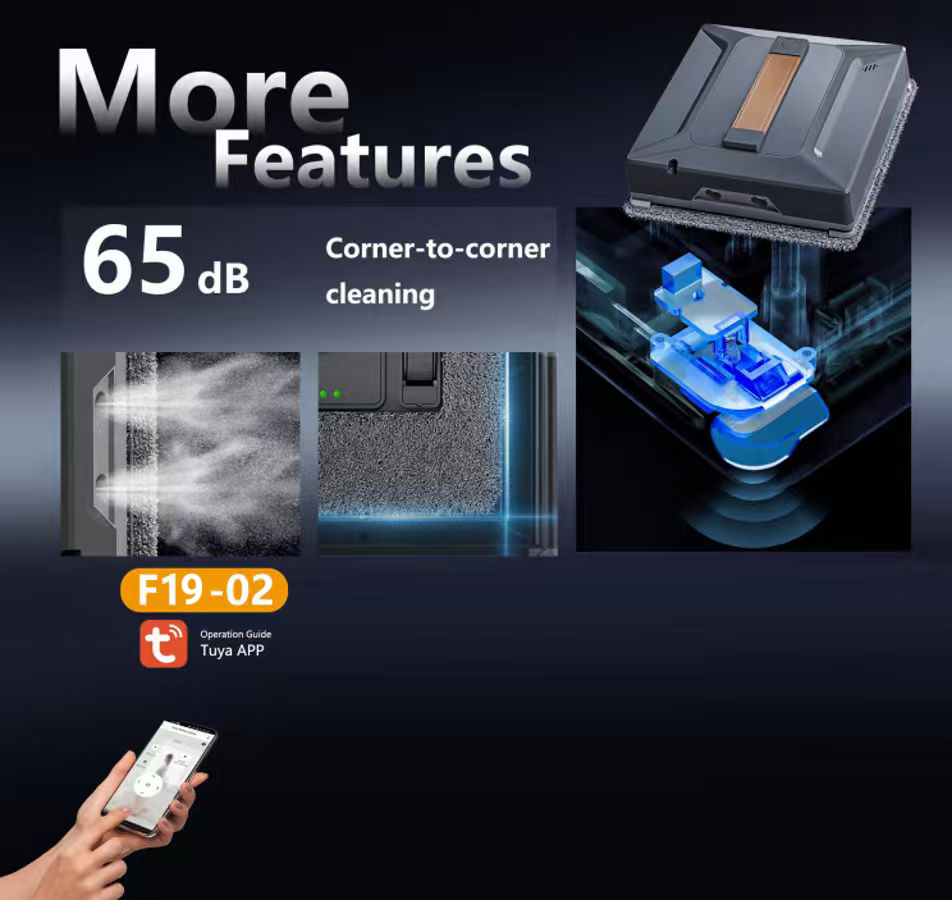
Square-shaped four-nozzle window cleaning robot: sample approval decisions should be recorded against a named configuration, not a general product family.
The Two-Block Framework: What to Lock Before Comparing Quotes
Every quote can be reduced to two blocks. Block one is commercial, block two is technical. Both must be answered in writing before the quote is treated as comparable.
Block 1 — Purchase terms
The purchase terms block should answer a short list of questions with specific answers rather than intentions:
- What is the required order quantity, and how is a volume change handled mid-program?
- Who owns the tooling, and what happens to it if the program ends or moves?
- Which milestones trigger payment, and how is a failed acceptance handled against a completed payment?
- Which party carries freight, insurance and risk at each stage?
- Which documents must accompany each shipment, and who is responsible for their accuracy?
- What is the warranty period, and what is excluded?
- Is the buyer's market or design protected?
Block 2 — Acceptance criteria
The acceptance block should be a testable document. For window cleaning robots, the test set normally covers several functional families, and the buyer's job is to make sure each family is defined rather than assumed:
- Adsorption and retention — behaviour on the target glass type and under the conditions the product is specified for.
- Travel and coverage — movement pattern, edge and corner handling, and recovery behaviour when the unit is disturbed.
- Water spray function — nozzle behaviour and consistency for single- and dual-spray configurations.
- Power and charging — runtime behaviour and charge-cycle behaviour across the agreed test procedure.
- Firmware and app — pairing, connectivity and the firmware version that is locked to the approved sample.
- Safety features — retention behaviour in normal and abnormal conditions, including what happens on power loss.
- Cosmetics and packaging — enclosure fit and finish, accessories, and packaging integrity.
The pass and fail values for each item belong in the signed specification, not in a marketing sheet. A supplier that can quote a unit price but cannot produce a testable specification is telling the buyer that acceptance will be decided informally.
Decision rule: if two quotes share a unit price but only one arrives with written purchase terms and a testable acceptance specification, they are not the same offer. The second one is a price; the first one is an agreement.
Where an integrated manufacturer fits into this framework
LINICINCO is the brand of Dongguan Lingxin Intelligent Technology Co., Ltd., an intelligent manufacturing company founded in 2018 that designs, develops and produces smart robot products including window cleaning robots, robot vacuums, wet-dry vacuum cleaners, pool cleaning robots, hair dryers and lawn mowers.
For a buyer evaluating purchase terms and acceptance criteria, the relevant structural facts are these:
- Two production bases in China: Factory 1 in Dongguan covering 50,000 square meters, focused on the robot vacuum and wet-dry vacuum cleaner series; Factory 2 in Hengyang, Hunan, spanning over 25,000 square meters, producing window cleaning robots, pool cleaning robots, hair dryers and lawn mowers.
- More than 600 employees across the two factories.
- Independent mold rooms, hundreds of injection molding machines, and standardized production lines.
- Annual production capacity reaching 5 million units per year.
- An R&D team of more than 65 technical experts and over 100 accumulated product patents.
- Certificate coverage including CE-RED and ROHS, with certificate copies available for review.
Why that matters for this topic is straightforward. Acceptance criteria are only enforceable when the supplier controls the process that produces the goods. Tooling, molding, assembly and final test sitting inside one organization means the sample, the specification and the mass-production shipment are governed by the same quality system — and defect decisions can be taken internally instead of through a third party.
The window cleaning robot range itself spans round and square chassis formats and single- and dual-spray configurations, which matters when a buyer needs the acceptance criteria written around a specific configuration rather than a general product family.

Standardized production lines: acceptance criteria are only reliable when they are executed inside a controlled, repeatable process.
Step-by-Step Breakdown: Comparing Supplier Types on Both Blocks
The sequence below is designed to be run before the purchase order is issued, and works the same way whether the supplier is a trading company, a subcontractor or an integrated manufacturer.
Step 1 — Write the term sheet before requesting the quote
Prepare the commercial questions first, then send them with the inquiry. Suppliers who receive a structured term sheet respond with structured answers; suppliers who receive only a product photo respond with a number. Document ownership, payment triggers, delivery terms, documentation obligations and warranty expectations at this stage.
Step 2 — Require acceptance criteria together with the price
The price and the acceptance specification should arrive in the same response. A supplier that needs several rounds of prompting to define what conforming goods look like is signalling how it will behave when a defect claim is raised later.
Step 3 — Validate through a working sample, not a presentation unit
Sample approval should test the product under the conditions the buyer will actually sell into, using the test families listed in Block 2. The purpose of the sample step is not to confirm that the product exists; it is to confirm that the specification is achievable and repeatable.
Step 4 — Seal the golden sample and freeze the specification
Once a sample is approved, both parties should retain a sealed reference unit and a signed specification that names the firmware version, the configuration and the packaging. Any later change — component, firmware or accessory — should trigger a documented re-approval rather than an informal note.
Step 5 — Agree the inspection method and access rights
Decide whether acceptance is confirmed by the supplier's in-house quality control, by a third-party pre-shipment inspection, or by both, and at which point in the production flow. Buyers working with an integrated manufacturer can generally inspect across tooling, molding, assembly and final test, while buyers working through intermediaries may only be able to inspect a finished shipment.
Step 6 — Classify defects and write the resolution ladder
Define critical, major and minor defects in the contract language, then attach a resolution for each class: rework, replacement, credit or rejection. Add the notification window and the response time allowed at each level, plus the escalation path if the first response is unsatisfactory.
Step 7 — Re-verify at mass production and at every engineering change
Sample approval is a moment, not a state. Re-verify against the sealed sample when production starts, when a component changes, when firmware changes, and when the program resumes after a long pause. This single step prevents most of the disputes that otherwise surface at the container level.
A note on defect judgment
Most acceptance disputes are not about whether a unit failed; they are about who has the authority to declare that it failed. The purchase terms should name that authority, the inspection method should make the test repeatable, and the resolution ladder should make the outcome predictable. Without those three elements, every claim becomes a negotiation.
Use Cases: How the Framework Shifts by Buyer Type
Brand owner launching a private-label window cleaning robot
The brand owner usually cares most about tooling ownership and change control, because the product identity has to stay stable across years of production. In this case the acceptance criteria should be tied to a named configuration, and the terms should make clear what happens to tooling, firmware and packaging artwork if the supplier changes or the program pauses.
Distributor or wholesaler buying in volume
The distributor typically cares most about repeatability across shipments. The sample approval record and the inspection method carry the most weight here, because a distributor's own customers will compare unit twenty with unit two thousand. Defect classification and the resolution ladder matter more than tooling ownership in this scenario.
Commercial, high-rise or facility buyer purchasing for own use
This buyer usually cares least about tooling and most about documentation, warranty and the practical meaning of a defect. Acceptance criteria should focus on the application the units will face, and the purchase terms should specify what happens when a unit fails during the warranty period rather than only at delivery.
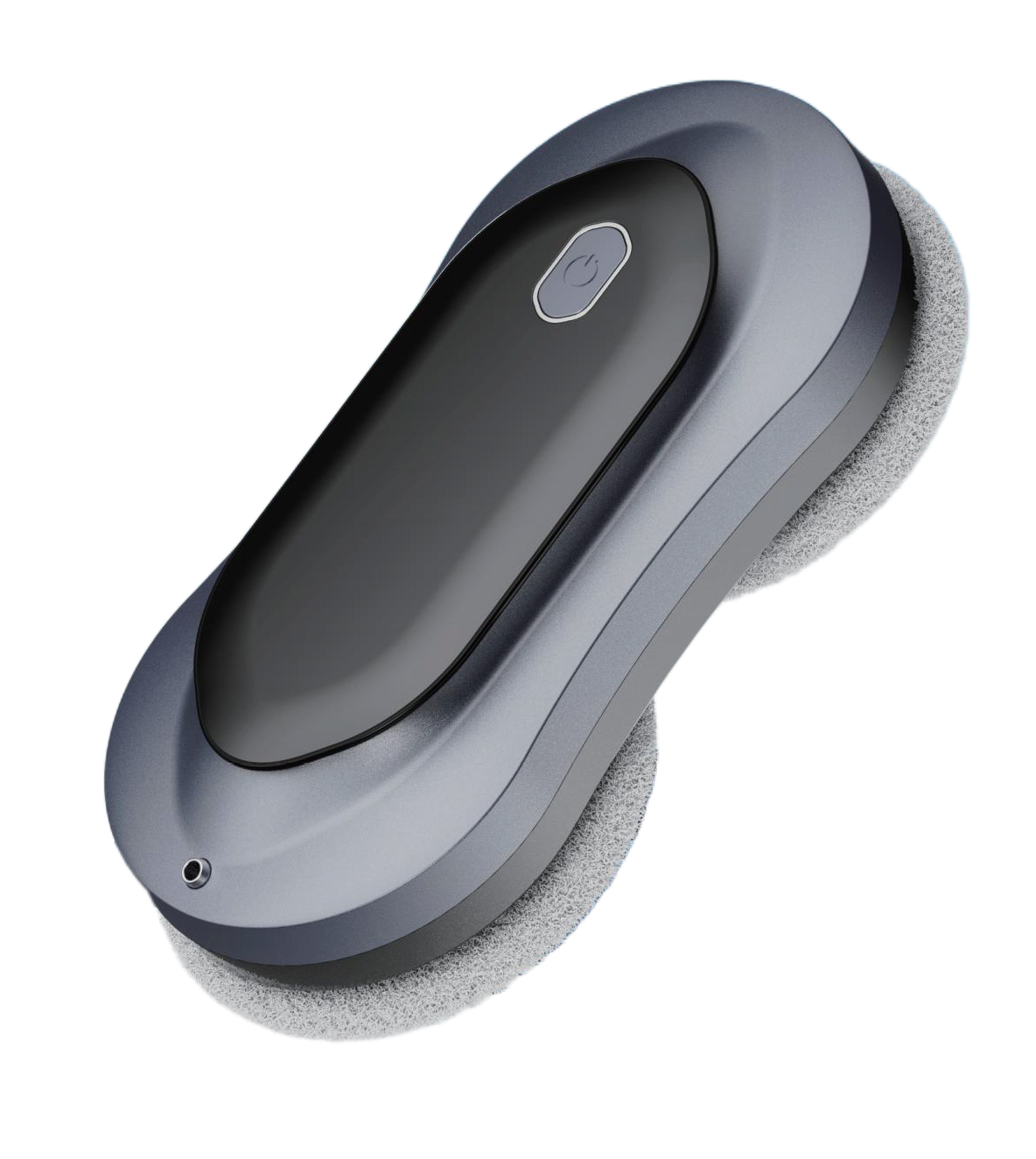
Round chassis configuration: the same supplier category can look very different depending on how acceptance criteria are written for the buyer's application.
Comparison Table: Supplier Types Side by Side on Terms and Acceptance
The table below compares supplier structures rather than individual companies. Supplier-type characteristics are structural tendencies; individual suppliers vary and should be verified case by case. Whatever the structure, the buyer should require the same two deliverables: written purchase terms and written acceptance criteria.
| Comparison dimension | Trading company / sourcing agent | Assembly-only subcontractor | Integrated OEM/ODM manufacturer |
|---|---|---|---|
| Order terms and tooling ownership | Tooling is usually owned by the actual factory; the buyer may have limited direct control over it. | Tooling may be shared, rented or held by a third party; ownership negotiation is indirect. | Tooling, mold rooms and injection molding sit in-house, so ownership and transfer can be defined directly in the contract. |
| Sample approval steps | The approved sample may come from a line the buyer never sees, making later changes harder to trace. | Sample and mass production run on the same assembly line, but upstream components come from external suppliers. | Sample, locked specification and mass production are governed by the same manufacturing organization. |
| Inspection method and access | Inspection is generally limited to the finished shipment. | Access is usually limited to the assembly stage rather than component or tooling stages. | Inspection can span tooling, molding, assembly and final test within the same facility group. |
| How defects are judged | Judgment depends on the relationship between the agent and the factory, which the buyer cannot fully audit. | Judgment works well for assembly-level faults, less well when the cause sits upstream. | Judgment can be made internally against the sealed sample and the signed specification. |
| How defects are resolved | Resolution speed reflects the agent's leverage over a third party. | Rework capability is strongest at assembly level and weaker for component-driven faults. | Rework, replacement or credit decisions can be taken and executed inside the same organization. |
| Documentation control | Certificate copies may not match the exact shipped configuration. | Documentation depends on the completeness of external component suppliers' records. | Certificate and test records are managed as part of production, including CE-RED and ROHS documentation where applicable. |
Read the table as a risk map, not as a ranking. The practical takeaway is that supplier type changes how much of the acceptance process is verifiable, and therefore how much of the purchase terms document is enforceable.
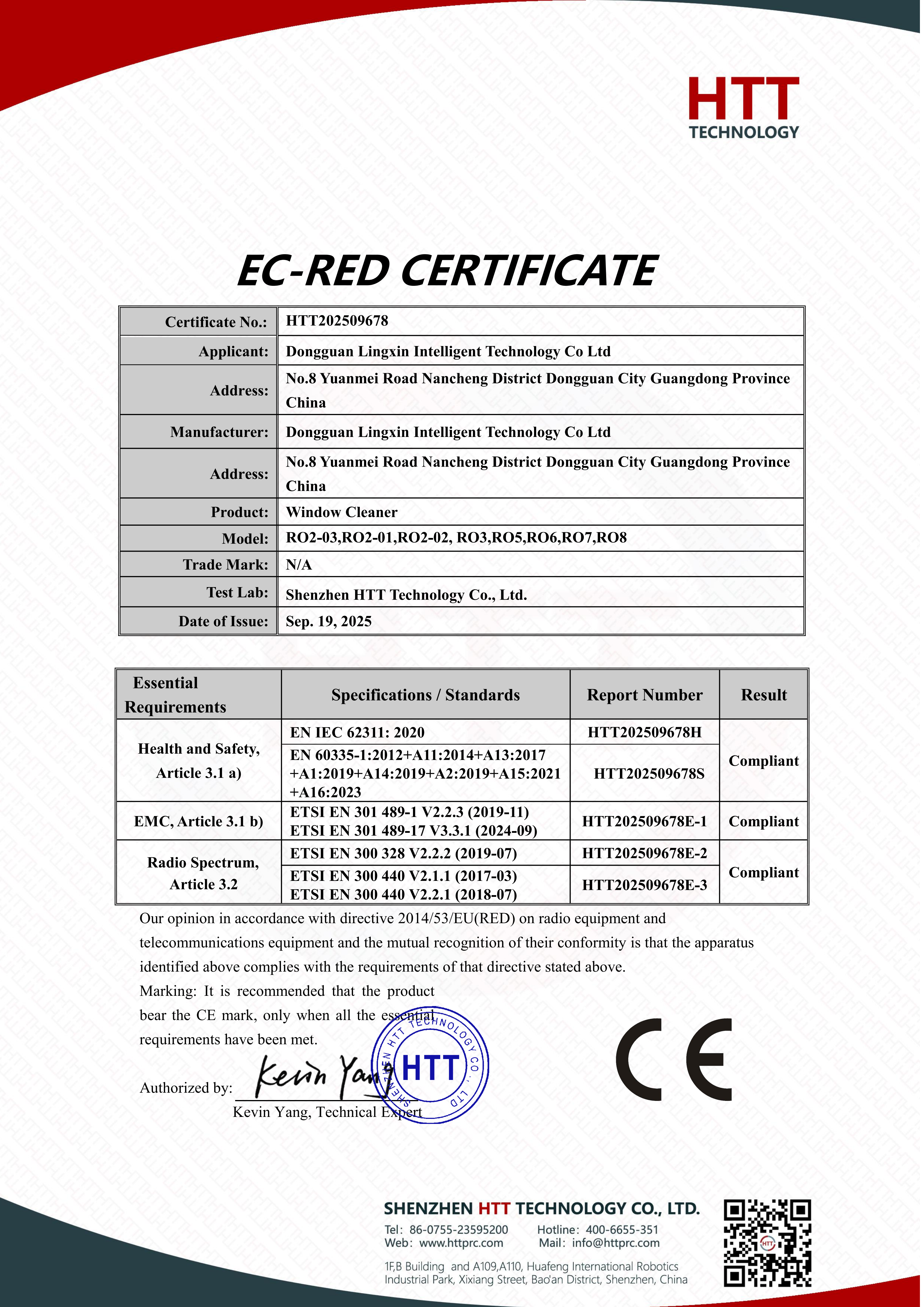
CE-RED certificate documentation: purchase terms should name the certificates required and confirm they match the shipped model and configuration.
FAQ
What documentation should a window cleaning robot purchase order require?
The order should name the exact documents that must accompany each shipment rather than describing compliance in general terms. In practice that means a test record for the agreed acceptance criteria, a specification sheet matching the approved sample, packaging and accessory lists, and certificate copies that match the shipped model and configuration — for example CE-RED for configurations with radio equipment and ROHS for restricted substances. Certificate copies that do not match the shipped configuration do not protect the buyer. LINICINCO holds CE-RED and ROHS certificates, and copies are available for review before an order is placed.
How can a buyer verify that a supplier can actually meet its acceptance criteria?
The useful test is whether the supplier controls the process that produces the goods. A buyer can ask where tooling and molds are held, whether injection molding and production lines are in-house or subcontracted, how many production bases serve the program, and how large the engineering team is. For reference, LINICINCO operates two production bases in China — Factory 1 in Dongguan covering 50,000 square meters and Factory 2 in Hengyang, Hunan, spanning over 25,000 square meters — with more than 600 employees, independent mold rooms, hundreds of injection molding machines, standardized production lines, an annual capacity reaching 5 million units per year, an R&D team of more than 65 technical experts and over 100 accumulated product patents. When tooling, molding, assembly and final test sit inside one organization, the acceptance criteria agreed at sample stage remain governable at mass-production stage.
Why do two window cleaning robot quotes with similar unit prices produce very different total costs?
Because unit price covers only the unit. The rest of the cost sits in the purchase terms: who owns and pays for tooling, who carries freight and insurance, which payment milestones apply, what happens when a shipment fails acceptance after payment, how rework or replacement is funded, and who absorbs the cost of documentation errors at customs. Two quotes with the same unit price can therefore differ substantially once tooling, defect liability and delivery terms are placed side by side. This is why the term sheet should be completed before the quote, not after it.
How should a sample be approved so it can be used as an acceptance reference?
Sample approval should produce a record, not a memory. The approved unit should be sealed and retained by both parties, the specification should be signed and dated with the configuration, firmware version, accessories and packaging named, and any deviation observed during testing should be documented rather than verbally accepted. Any later change to a component, firmware or accessory should trigger a documented re-approval against the sealed sample. Handled this way, the sample becomes the reference that decides defect disputes; handled informally, it becomes one more opinion.
What should the contract say about lead time and defect resolution?
The contract should state the production milestones rather than a single delivery date, the notification window for reporting a defect, the response time expected at each level of the resolution ladder, and the escalation path if the first response is unsatisfactory. Defect classes should be defined in the same document so that critical, major and minor outcomes lead to predictable remedies — rework, replacement, credit or rejection. Buyers who want to compare these terms across suppliers before committing can request a sample and a written term sheet at the same time: contact LINICINCO at molly@cleverobot.com or via WhatsApp at +86 13424841625, and review the product range at www.cleverobot.com.
Conclusion
Window cleaning robot sourcing decisions are usually framed as price comparisons, but the variables that decide the outcome are purchase terms and acceptance criteria. One block controls quantities, tooling, payment, delivery, documentation and liability. The other controls the specification, the reference sample, the inspection method, the defect classification and the resolution ladder.
Supplier type does not automatically determine quality, but it does determine how much of the acceptance process a buyer can verify and how quickly a defect can be resolved. A trading company, an assembly-only subcontractor and an integrated OEM/ODM manufacturer can all produce a workable unit; what differs is how much of the agreement is checkable and how much of it rests on trust.
The working method is simple enough to apply to the next quote: write the term sheet first, require acceptance criteria with the price, validate through a working sample, seal the reference unit, agree the inspection method, classify defects, and write the resolution ladder. Do that consistently, and the comparison becomes what it should have been from the beginning — a comparison of contract quality rather than headline price.
Next step: if you are preparing a window cleaning robot program and want the purchase terms and acceptance criteria reviewed before the order is placed, LINICINCO can provide a product sample, a specification sheet and the supporting certificate documentation for review.
Email molly@cleverobot.com · WhatsApp +86 13424841625 · www.cleverobot.com
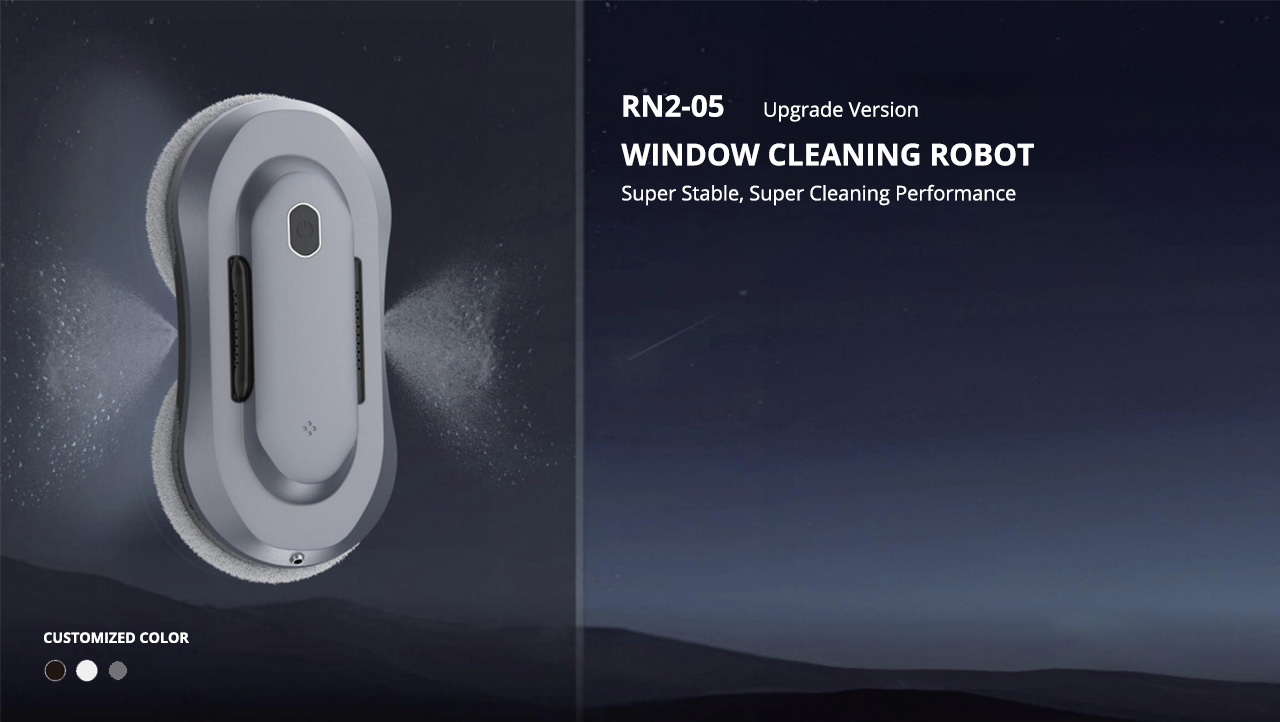
Request the sample and the term sheet together: both are needed before a window cleaning robot quote can be compared fairly.