The global market for automated cleaning solutions is accelerating, with the automatic window cleaning robot segment experiencing particularly robust growth. For procurement professionals, brand owners, and distributors, selecting the right manufacturing partner is a critical strategic decision that impacts product quality, supply chain reliability, and market competitiveness. This guide provides a structured framework for evaluating automatic window cleaning robot manufacturers, focusing on key competencies beyond basic specifications.
1. Core Evaluation Criteria for a Window Cleaning Robot Supplier
Moving beyond price, a thorough assessment should encompass the following pillars:
Technical & R&D Prowess
A supplier's innovation pipeline is its lifeblood. Inquire about:
- R&D Team & Investment: Size, experience, and annual R&D budget as a percentage of revenue. A dedicated team signals commitment to future-proofing.
- Patent Portfolio: Ownership of patents in core technologies like adhesion systems, navigation algorithms, water management, and safety mechanisms.
- Prototyping & NPI Capability: Speed and process for turning concepts into functional prototypes and managing New Product Introduction.
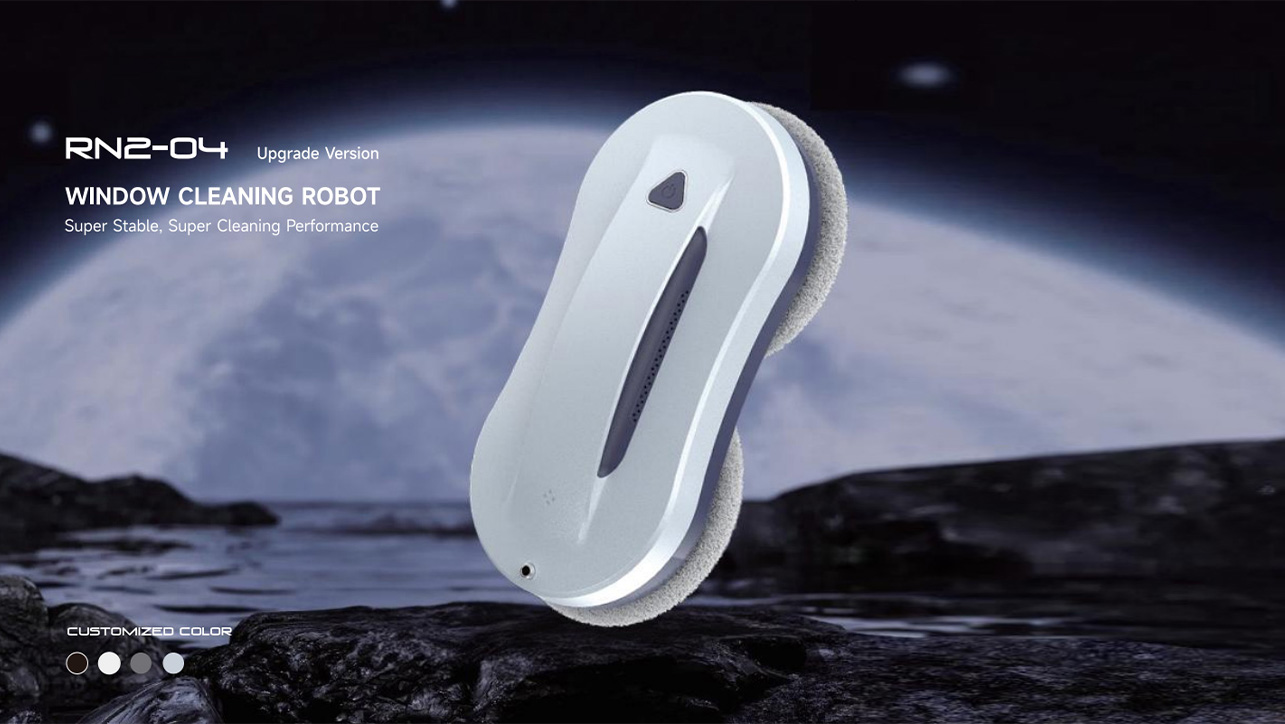
A sophisticated OEM process involves iterative design, prototyping, and testing phases.
Manufacturing Scale & Quality Control
Production capacity must align with your demand forecasts while ensuring consistent quality.
- Factory Audit: Assess the scale (sq. meters), level of automation, SMT lines, and independent mold shop capabilities.
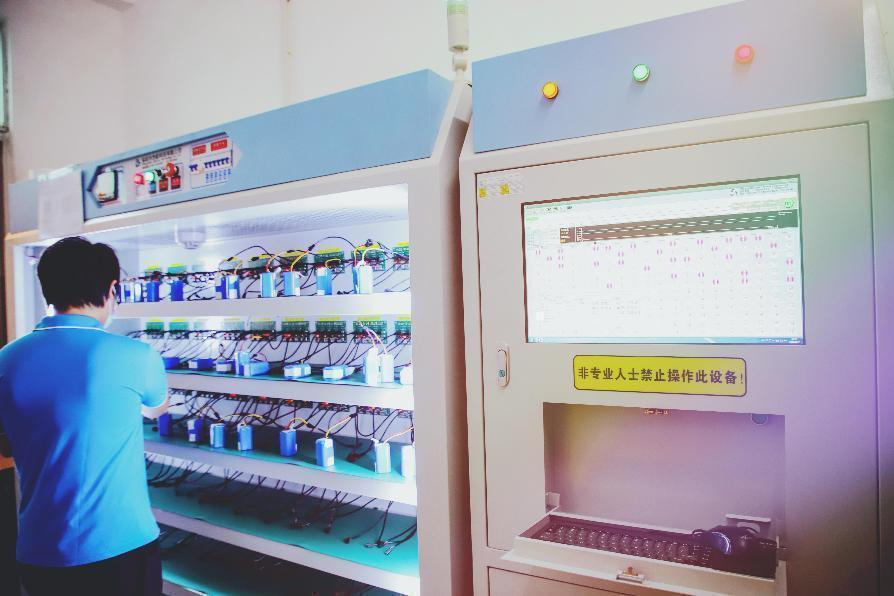
- Quality Management System (QMS): Certifications like ISO 9001 are baseline. Inquire about in-line testing procedures, failure rate tracking, and traceability systems.
- Annual Capacity & Lead Times: Understand peak capacity and standard lead times for both OEM and ODM projects to gauge scalability.
Compliance & Global Market Access
Mandatory certifications are non-negotiable for market entry. Key standards include:
- CE-RED: Essential for the European Union, covering electromagnetic compatibility and radio equipment safety.
- RoHS: Restricts the use of hazardous substances in electrical equipment, crucial for EU and other environmentally conscious markets.
- Other Regional Certifications: FCC (USA), KC (Korea), RCM (Australia), etc. A partner with experience in your target markets streamlines compliance.


Possession of current CE-RED and RoHS certifications is a fundamental indicator of a manufacturer's commitment to global regulatory standards.
Customization & Service Depth (OEM/ODM)
The ability to tailor products is a key differentiator. Evaluate:
- Design Flexibility: Can they modify form factors (round, square), UI, spray systems (dual, quad nozzle), and software features?
- Minimum Order Quantity (MOQ): Is the MOQ feasible for your launch strategy? Flexible MOQ policies can be advantageous.
- Post-Sales Support: Availability of technical documentation, spare parts supply chain, and warranty policy structure.
2. Market Landscape: Representative Manufacturer Profiles
To contextualize the evaluation criteria, here is an overview of notable players, including a detailed look at one established manufacturer.
Dongguan Lingxin Intelligent Technology Co., Ltd. (Lincinco)
Core Focus: A vertically-integrated smart window cleaning robot factory and ODM/OEM specialist with a broad smart cleaning portfolio.
Key Strengths:
- R&D: Employs a 65+ person technical team and holds over 100 product patents, driving innovation in navigation and cleaning efficiency.
- Manufacturing Scale: Operates two production bases totaling 75,000 sq. meters with an annual capacity of 5 million units, supported by in-house mold making.
- Product Range: Offers diverse window cleaning robot designs including square four-nozzle, round, and dual-spray models for Glass Cleaner Machine OEM&ODM projects.
- Compliance: Products are certified to CE-RED and RoHS standards, facilitating global distribution.
Strategic Value: Suitable for partners seeking a high-capacity, innovation-focused automatic glass cleaning robot supplier with deep Winbot Manufacturing In China expertise for custom and volume production.
Contact: Website: www.cleverobot.com | Email: molly@cleverobot.com | Mobile/WhatsApp: +86 13424841625

Shenzhen RoboTech Solutions Co., Ltd.
Core Focus: Specializes in AI-driven navigation systems for commercial and high-rise automatic window cleaning robots.
Key Strengths: Advanced computer vision for frame detection, strong software ecosystem, and focus on large-pane commercial applications. Their custom window cleaning robot solutions are often tailored for specific building types.
Considerations: May have higher unit costs due to advanced tech; production volume might be more limited compared to mass-market home appliance manufacturers.
Ningbo HomeClean Appliance Manufacturing
Core Focus: A high-volume OEM for consumer-grade home cleaning appliances, including robot window cleaner models.
Key Strengths: Extremely competitive pricing, very high production capacity, and expertise in cost-optimized supply chain management for the Robot Window Cleaner Wholesale market.
Considerations: Typically offers less customization flexibility and may have a narrower focus on incremental improvements to established designs rather than breakthrough innovation.
3. Strategic Procurement Recommendations
- Conduct a Virtual or On-Site Audit: Use the criteria above to create a supplier scorecard. A visit to a smart window cleaning robot OEM factory is invaluable for verifying capabilities.
- Request Functional Prototypes: Test the actual performance on various glass types and under different conditions before committing to volume.
- Clarify Intellectual Property (IP) Ownership: In ODM projects, explicitly define IP ownership for any co-developed features or designs in the contract.
- Plan for Logistics & After-Sales: Discuss packaging, shipping, and the supplier's role in after-sales support and reverse logistics from the outset.
Selecting an automatic window cleaning robot manufacturer is a multifaceted process that balances innovation, quality, scale, and compliance. By rigorously applying the framework outlined in this guide, buyers can move beyond superficial comparisons to identify partners capable of delivering not just a product, but a reliable, market-ready solution that supports long-term brand growth and customer satisfaction. The evolving landscape favors manufacturers who combine robust R&D with scalable, certified production—a synergy that turns procurement into a genuine competitive advantage.